
How we work
From field knowledge to working software.
Specialist software should do more than digitize forms and workflows. It should reflect how good work is actually done.
That is why AssuriCore is developed around operational expertise, proven practices and the experience of the organizations using it. Together, we translate that knowledge into structured processes, clear responsibilities, connected evidence and software that supports better decisions.
And because operations change, the software continues to evolve with them.
Home > How we work
Our way of working
It starts with understanding the work.
Before discussing screens, features or configurations, we want to understand the process behind them.
What is someone trying to achieve? Where are the important decisions? Which risks need to be controlled? What does an experienced professional notice that may not be written down anywhere?
Those conversations matter because specialist knowledge often sits with individuals. The opportunity is not simply to digitize what they do, but to understand why they do it.
That becomes the foundation for the software.
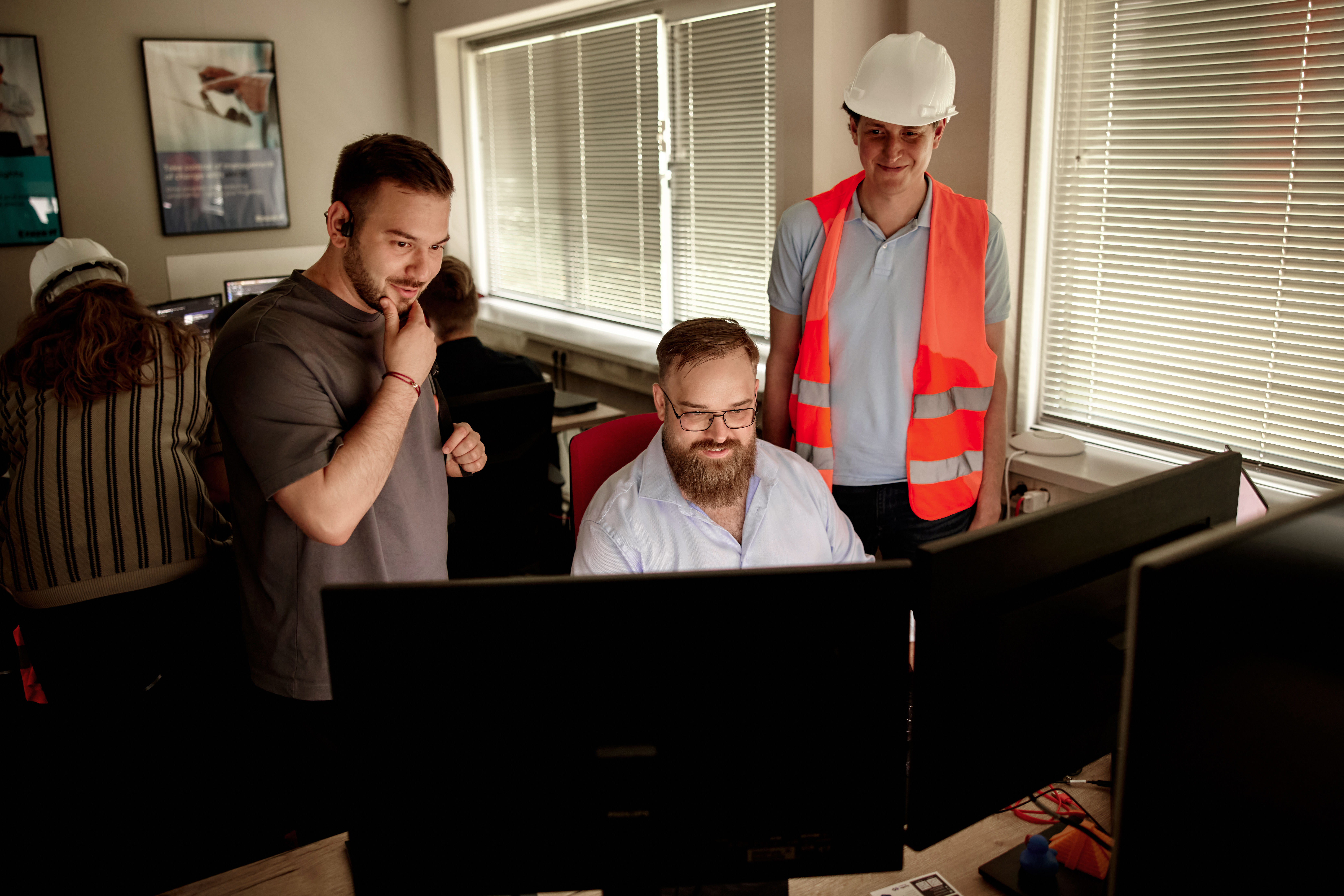
Knowledge into software
Capture what experienced people already know.
In complex operations, expertise is often much richer than the documented procedure.
Experienced people know which questions to ask, which deviations matter, when another discipline should be involved and what information may become important later.
We work with domain specialists and clients to identify which parts of that expertise can be embedded into the system.
-
Structured questions and assessments
-
Workflow logic
-
Responsibilities and approval rules
-
Templates and proven process structures
-
Required evidence
-
Escalation paths
-
Validation and verification steps.
Structure
Turn expertise into a controlled workflow.
Once we understand the process, we translate it into software. That means finding the right balance between guidance and flexibility.
A workflow should help people understand what needs to happen, who is responsible and what evidence is required without making the process unnecessarily bureaucratic. This is where domain expertise meets product design.
We look at questions such as:
1.
What should always happen?
These become the structural elements of the process.
2.
What depends on risk or circumstance?
These may become conditional steps, assessments or additional controls.
3.
Who needs to be involved?
Responsibilities, permissions and approvals become part of the workflow.
4.
What needs to remain traceable?
Decisions, evidence and changes are captured as part of the process rather than stored somewhere around it.
1.
What should always happen?
These become the structural elements of the process.
2.
What depends on risk or circumstance?
These may become conditional steps, assessments or additional controls.
3.
Who needs to be involved?
Responsibilities, permissions and approvals become part of the workflow.
4.
What needs to remain traceable?
Decisions, evidence and changes are captured as part of the process rather than stored somewhere around it.
Built together
Different expertise around the same table.
Good specialist software rarely comes from one discipline. The strongest solutions emerge when different perspectives challenge and complement one another.
You could make this visually into three overlapping areas:

Client expertise.
Real operational experience, organizational context and practical exceptions.

Domain & product expertise.
Industry practices, process design and knowledge accumulated across implementations.

Technology & security.
Software architecture, usability, security, maintainability and technical possibilities.
Configuration with purpose
Start strong. Tailor where it matters.
Every organization works differently, but that does not mean every implementation should begin with an empty system.
AssuriCore starts from established process structures and specialist knowledge. That provides a strong foundation from day one.
From there, the application can be adapted where there is a genuine operational need.
-
Terminology
-
Responsibilities
-
Approval levels
-
Risk methodologies
-
Organizational structures
-
Templates
-
Workflow variations
-
Reporting requirements
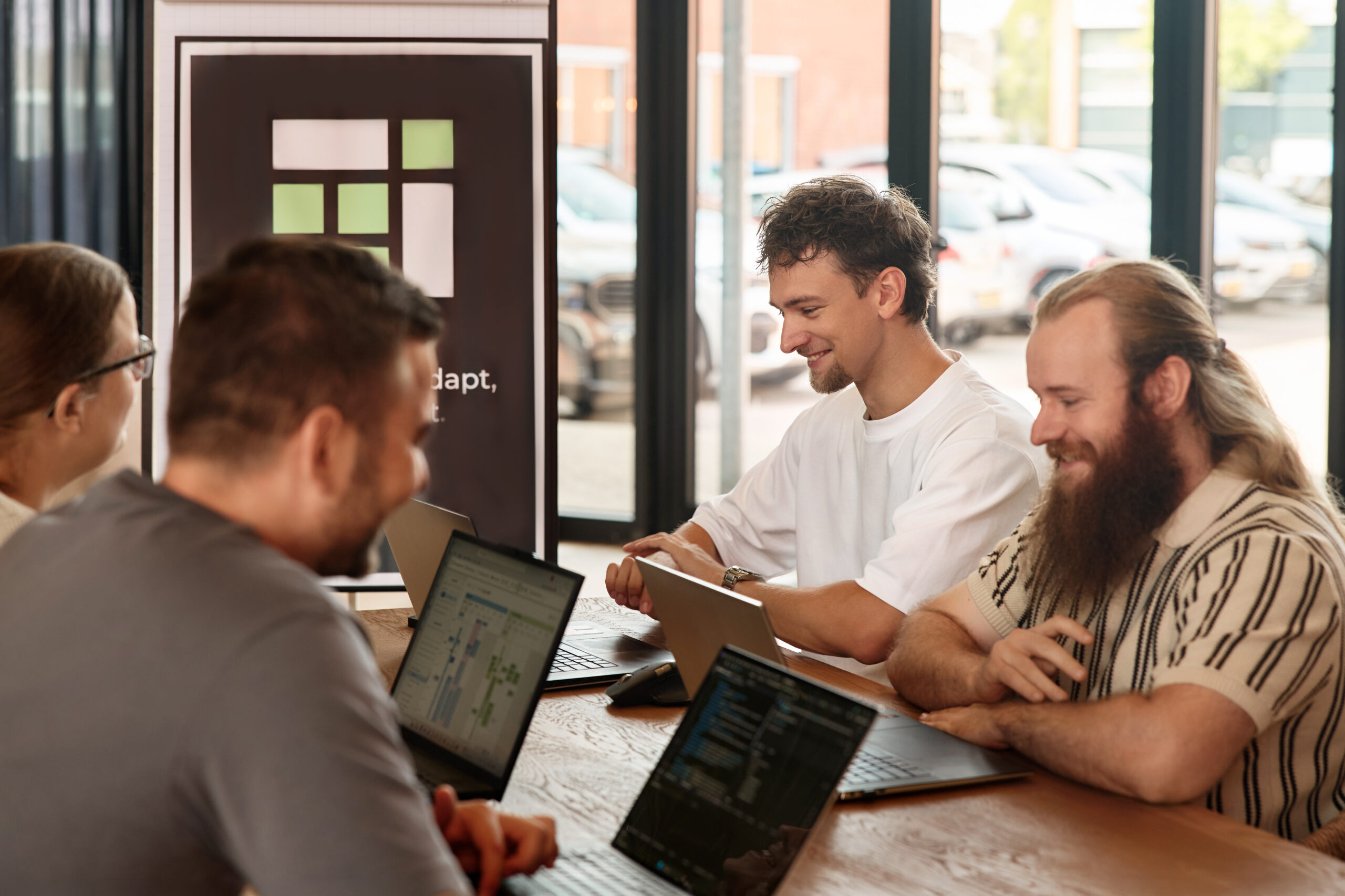
Security by design
Control is part of the process.
For operational software, security cannot be something added after the workflow has been designed. Questions about access, responsibilities and traceability influence the process itself.
By considering security, architecture and operational requirements together, controls become part of the product design rather than an additional layer around it.
Real-world validation
Practice tests the design.
No process survives first contact with actual users completely unchanged. Humans remain stubbornly committed to discovering edge cases nobody put in the requirements document.
That is useful.
Once the software is being used, we learn where processes work well, where exceptions occur and where additional guidance or simplification may be valuable. Those observations are evaluated together with users, product specialists and developers. Not every request automatically becomes functionality.
Instead, we ask whether it:
-
Solves a recurring problem
-
Strengthens the underlying process;
-
Can benefit more users
-
Fits the product architecture
-
Improves usability without weakening control
Continuous improvement
The product learns with the organizations using it.
Going live is not the end of development.
Operational requirements evolve. Organizations mature. Regulations and standards change. New technology creates new possibilities. And experience reveals better ways of working.
Continuous improvement means turning those changes and experiences into better ways of working:
1.
Understand.
Stay close to changing needs, challenges, and opportunities.
2.
Capture.
Bring knowledge, requirements, and experience together.
3.
Structure.
Turn that knowledge into clear models, processes, and decisions.
4.
Apply.
Translate those structures into software that supports daily work.
5.
Learn.
See how the software performs in practice and what can be improved.
6.
Improve.
Use those insights to refine both the product and the way of working.
As organizations evolve, the process continues. What is learned in practice creates new understanding, which becomes the starting point for the next improvement.
The result
Software that carries knowledge forward.
The result is not simply a digital version of an existing process. It is a system in which operational knowledge, responsibilities, controls and evidence become connected. People still make the decisions. AssuriCore helps make sure they have the right structure, information and proven knowledge available when they make them.

Expertise becomes repeatable.
Proven knowledge does not remain dependent on individual people.

Processes become traceable.
Responsibilities, decisions and evidence remain connected.

Learning becomes reusable.
What organizations learn in practice can strengthen the way they work tomorrow.
See how AssuriCore helps organizations turn proven expertise into practical software.
Built on experience.
Tailored for the way you work.